
Introduction
Table of Contents
Choosing the right activity for your child can feel overwhelming. Parents often ask if martial arts like Jiu Jitsu vs Boxing for fitness are good options. Both are popular, but they look very different in practice.
Kids today spend more time sitting, studying, or on screens. Finding a fun, safe way to stay active is more important than ever. Martial arts offer discipline, structure, and physical fitness, making them a strong choice for families.
In this guide, we’ll explore Jiu Jitsu vs Boxing for Fitness, break down the benefits and risks, and give you practical safety tips. By the end, you’ll know which martial art fits your child’s needs and how to support them in their training.
What Jiu Jitsu and Boxing Mean
What is Jiu Jitsu?
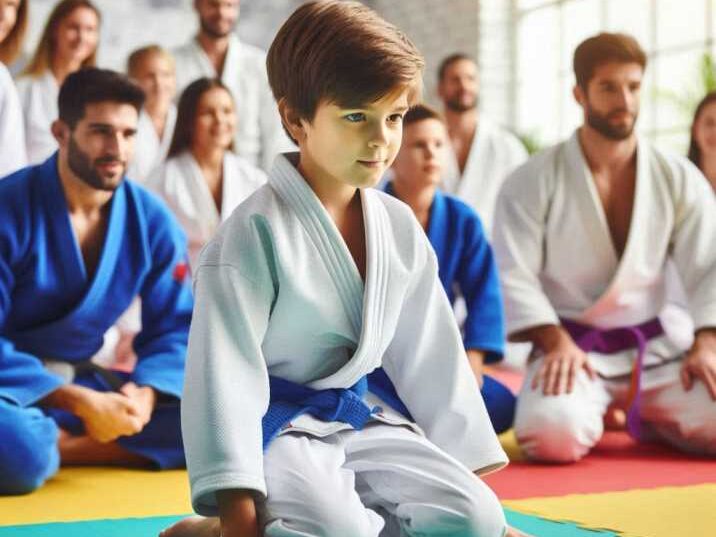
Brazilian Jiu Jitsu (BJJ) is a martial art that focuses on grappling and ground control. Instead of punches or kicks, kids learn moves like sweeps, holds, and joint locks to safely control an opponent. The main idea is using leverage and technique rather than strength, which makes it good for children of all sizes. It is often called “the gentle art” because kids practice in a controlled way without hard striking. Jiu Jitsu also teaches patience, problem-solving, and respect during training. Many parents like it because it builds both physical fitness and mental focus.
What is Boxing?
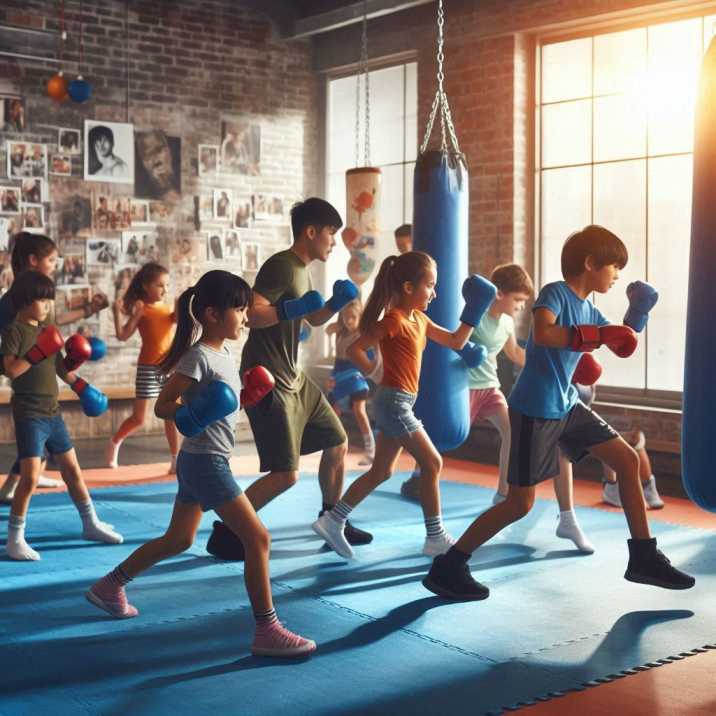
Boxing is a striking-based martial art that teaches kids how to throw punches with speed and accuracy. Training also includes footwork, timing, and defensive movements to avoid strikes. Kids wear gloves and practice on pads, bags, or with light sparring under supervision. Boxing is great for improving cardio, coordination, and reflexes while burning lots of energy. It helps kids build discipline and confidence as they learn to follow structured drills. With proper coaching and safety gear, boxing is a strong option for fitness and skill development
Benefits of Jiu Jitsu for Fitness
Full-body workout
Jiu Jitsu works the entire body during practice. Kids use their arms, legs, and core when performing techniques and drills. This builds strength in muscles that often don’t get used in daily activities. Over time, it helps improve overall fitness and body awareness.
Flexibility and balance
The rolling and stretching movements in Jiu Jitsu naturally improve flexibility. Kids learn to control their bodies in different positions on the mat. This training also develops balance, which helps in sports and daily life. Good flexibility lowers the risk of injuries.
Endurance
Jiu Jitsu classes are active from start to finish. Warm-ups, drills, and sparring keep kids moving constantly. This builds cardiovascular health and stamina without feeling like boring exercise. Children gain energy and learn how to keep going longer during activities.
Problem-solving skills
Every match in Jiu Jitsu is like a puzzle. Kids must figure out how to escape, counter, or apply a move in real time. This sharpens focus, patience, and quick thinking. They learn to stay calm under pressure and make smart choices.
Confidence and respect
Training in Jiu Jitsu helps kids believe in their abilities. As they progress, they feel proud of learning new techniques. They also learn discipline and respect for instructors and training partners. This builds good habits that carry over into school and home.
Benefits of Boxing for Fitness
Cardio health
Boxing keeps kids moving with activities like jump rope, pad work, and bag drills. These exercises increase heart rate and improve circulation. Regular practice strengthens the heart and lungs, which supports long-term health. It also helps kids build energy for other sports and daily activities.
Strength and coordination
Throwing punches with proper form develops upper-body and core strength. At the same time, footwork drills improve balance, coordination, and speed. Combining these skills helps kids move more smoothly and powerfully. This coordination carries over to other physical activities.
Stress relief
Boxing provides a safe way for kids to release extra energy. Hitting bags or pads can lower stress and improve mood. It gives children a positive outlet for frustration or restlessness. Many kids leave training feeling calmer and happier.
Discipline and focus
Boxing classes require kids to listen carefully and follow instructions. They practice staying focused on drills and controlling their movements. This teaches patience, self-control, and responsibility. These habits support success in school and everyday life.
Weight control
Boxing workouts are high-energy and burn many calories. This helps kids manage their weight in a healthy way while building strength. The mix of cardio and resistance training improves body composition. Parents see kids become fitter and more active over time.
Possible Risks and Concerns
Jiu Jitsu Risks
Minor bruises or mat burns from rolling
Kids may get small bruises or skin scrapes while practicing on the mat. These are common and usually heal quickly. Using proper uniforms and mats can reduce this risk. Parents should check skin health after training and keep areas clean.
Risk of joint strain if a move is applied too hard
Some Jiu Jitsu techniques involve locks and holds on joints. If a child does not “tap out” in time or if a move is done too forcefully, joints may strain. Good instructors teach kids to stop immediately when a partner signals. This keeps practice safe.
Some kids may feel nervous about close physical contact
Jiu Jitsu involves close body contact, which can feel uncomfortable for some children. It may take time for shy kids to adjust. Coaches often start with fun drills before full rolling to build comfort. Parents can support kids by encouraging gradual progress.
Boxing Risks
Risk of head contact in sparring
Even though many kids’ boxing classes avoid heavy sparring, accidental head contact can still happen. This can cause worry about concussions or headaches. Good gyms focus on drills and light contact only for safety. Parents should confirm sparring rules before enrolling.
Wrist or hand injuries if punching technique is poor
Punching with bad form can hurt small joints in the hands and wrists. Without wraps or gloves, this risk increases. Coaches must teach kids to punch correctly and supervise closely. Protective gear makes a big difference in preventing injuries.
Requires strict supervision to stay safe
Boxing involves fast punches and movements that can be dangerous without guidance. Instructors need to watch carefully to correct mistakes. Kids should never spar without a coach present. With proper supervision, risks are low and training is safe.
Safety Tips for Parents
Check instructor credentials
Always make sure the coach is certified and has real experience teaching children. A trained instructor knows how to adapt techniques for younger students. They can keep classes safe, fun, and age-appropriate. Parents should ask about qualifications before signing up.
Start slow
Beginners should first learn simple drills and movements before trying sparring. This helps kids build confidence and prevents injuries. A gradual approach lets them understand safety rules early. Rushing into hard practice is never recommended for children.
Use protective gear
Proper equipment reduces the chance of injuries. In boxing, gloves, hand wraps, mouthguards, and headgear are essential. In Jiu Jitsu, rash guards, mouthguards, and sometimes knee pads help protect kids. Parents should check gear regularly for wear and tear.
Monitor class size
Small class sizes mean more individual attention from the coach. Kids learn faster and stay safer when the instructor can correct mistakes quickly. Large classes may leave children unnoticed if they struggle. Parents should ask about student-to-coach ratios.
Communicate
Talk with your child after every class about how they feel physically and emotionally. Open communication helps parents catch problems early, like pain or stress. Discussing concerns with the instructor also builds trust. Kids perform better when they feel supported at home and in class.
Balance training
Too much practice can cause exhaustion or injury in children. Mixing training days with rest days helps the body recover. A balanced schedule keeps martial arts fun and prevents burnout. Parents should make sure kids get enough sleep, nutrition, and downtime.
Jiu Jitsu vs Boxing for Fitness: Key Differences
| Feature | Jiu Jitsu | Boxing |
|---|---|---|
| Style | Grappling and ground control | Punching and striking |
| Fitness Focus | Strength, flexibility, endurance | Cardio, coordination, speed |
| Risks | Joint strain, mat burns | Hand/wrist injuries, head contact |
| Safety Gear | Mouthguard, rash guard | Gloves, mouthguard, headgear |
| Best For | Kids who enjoy problem-solving | Kids who enjoy fast-paced action |
Conclusion
Both Jiu Jitsu and Boxing offer powerful fitness benefits for kids. Jiu Jitsu builds strength, flexibility, and problem-solving. Boxing boosts cardio health, coordination, and confidence.
The best choice depends on your child’s personality. If they enjoy puzzles and teamwork, Jiu Jitsu may be better. If they like fast-paced action and high energy, Boxing may suit them more.
Encourage your child to try both. The goal is not just fitness but also fun, growth, and a healthy lifestyle. With the right school and guidance, martial arts can give your child lasting skills and confidence.
FAQs
1. Is Jiu Jitsu safer than Boxing for kids?
Yes, in most programs Jiu Jitsu has fewer risks of head injury since it avoids striking.
2. Can my child do both Jiu Jitsu and Boxing?
Yes, many gyms offer both. Doing both gives a mix of cardio and grappling skills.
3. At what age can kids start Jiu Jitsu or Boxing?
Most schools accept children around age 5–7, depending on maturity.
4. Which burns more calories, Jiu Jitsu or Boxing?
Boxing usually burns more calories per session, but Jiu Jitsu builds endurance and strength.
5. How do I know which martial art my child will like more?
Try trial classes for both. See which one makes your child more excited to return.